
To Compost or Not to Compost, That Is the Question
To Compost or Not to Compost, That Is the Question
Composting is often called “gardener’s gold,” and for good reason. It transforms kitchen scraps and yard waste into rich, nutrient-dense organic matter that improves soil health, boosts plant growth, and reduces waste. But while composting offers tremendous benefits, many gardeners hesitate to begin because they’re unsure what belongs in the compost pile—and what definitely does not.
The truth is, successful composting isn’t complicated once you understand the basics. Knowing what to compost, what to avoid, and how to maintain balance can turn everyday waste into one of the most valuable tools in your garden.
So the question remains: to compost or not to compost?
The answer for most gardeners is simple—yes. But doing it correctly makes all the difference. So go grab your coffee and your trowel, and let’s dig in and talk about composting!
Why Compost at All?
Composting is the natural process of breaking down organic material into a dark, crumbly substance known as humus. This finished compost improves soil structure, adds nutrients, supports beneficial microbes, and helps plants grow stronger and healthier.
Benefits of composting include:
- Reducing household waste
- Improving water retention in soil
- Decreasing the need for synthetic fertilizers
- Encouraging beneficial soil organisms
- Supporting sustainable gardening practices
It’s one of the easiest ways to recycle nutrients back into your garden.
The Two Essential Compost Ingredients
Successful composting depends on balancing two categories of materials:
Greens (Nitrogen-Rich Materials)
These provide protein and moisture for microorganisms.
Examples include:
- Fruit and vegetable scraps
- Coffee grounds
- Tea leaves and tea bags (if compostable)
- Fresh grass clippings
- Plant trimmings
- Eggshells (crushed)
Greens help activate decomposition.
Browns (Carbon-Rich Materials)
These provide energy for decomposers and create airflow.
Examples include:
- Dry leaves
- Straw
- Shredded newspaper
- Cardboard
- Paper towels (unbleached)
- Small twigs
- Wood chips (sparingly)
Browns keep compost from becoming soggy and smelly.
A healthy compost pile generally needs more browns than greens—roughly a 2:1 or 3:1 ratio.
What You SHOULD Compost
Many everyday household and garden items compost beautifully.
Kitchen Scraps
These break down quickly and add valuable nutrients.
Good choices:
- Fruit peels
- Vegetable scraps
- Apple cores
- Banana peels
- Coffee filters
- Crushed eggshells
Cutting scraps into smaller pieces speeds decomposition.
Yard Waste
Garden waste is often compost gold.
Examples:
- Grass clippings
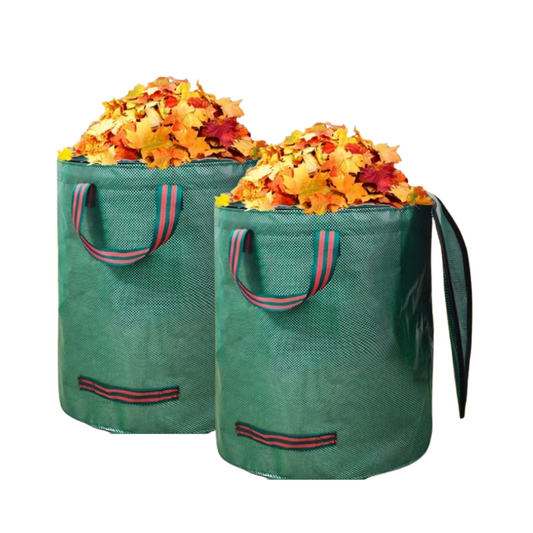
- Leaves
- Dead flowers
- Small prunings
- Spent vegetable plants (disease-free)
Leaves are especially valuable and often overlooked.
Paper Products
Uncoated paper products provide carbon.
Safe options:
- Shredded newspaper
- Brown paper bags
- Cardboard (shredded)
- Paper egg cartons
Always remove tape, glossy coatings, or plastic labels.
What You Should NOT Compost
This is where many beginners run into trouble.
Certain materials can attract pests, create odors, introduce disease, or disrupt decomposition.
Meat, Fish, and Bones
These attract rodents, raccoons, and flies while producing unpleasant odors.
Avoid:
- Meat scraps
- Fish remains
- Poultry bones
Unless using a specialized high-heat composting system, keep these out.
Dairy Products
Milk, cheese, yogurt, and butter can create odor and pest problems.
Oily or Greasy Foods
Fats slow decomposition and interfere with airflow.
Avoid:
- Cooking oils
- Fried foods
- Heavy sauces
Pet Waste
Dog and cat waste may contain harmful pathogens and parasites.
Never add it to garden compost.
Diseased Plants
Plants infected with fungal disease, blight, or severe pest infestations can survive composting if temperatures don’t get hot enough.
Better to discard these.
Weeds with Seeds
Adding mature weeds can spread unwanted plants throughout your garden later.
Chemically Treated Materials
Avoid:
- Pressure-treated wood
- Herbicide-treated grass clippings
- Glossy printed paper
These may introduce harmful chemicals into your compost.
Signs Your Compost Is Healthy
A healthy compost pile should smell earthy—not rotten.
It should feel:
- Slightly moist
- Warm in the center
- Loose enough for airflow
If it smells bad, it likely has too many greens or too much moisture.
If it isn’t breaking down, it may need more greens or water.
Turning the pile every couple of weeks helps maintain oxygen and speeds decomposition.
Composting Methods
There’s no single right way to compost.
Popular methods include:
Traditional Compost Piles
Simple and effective for larger yards.
Compost Bins
Contain materials neatly and reduce pest access.
Tumbling Composters
Easy to turn and great for faster decomposition.
Vermicomposting
Uses worms to compost kitchen scraps indoors.
Choose the method that fits your space and lifestyle.
Why Every Gardener Should Try It
Composting is one of the most practical and rewarding habits a gardener can develop.
It turns waste into value.
It improves your soil naturally.
It reduces reliance on store-bought fertilizers.
Most importantly, it connects you more deeply to the natural cycle of growth, decay, and renewal.
So… To Compost or Not to Compost?
For most gardeners, composting is absolutely worth it.
The key is knowing what belongs in the pile and what doesn’t.
Start simple. Add kitchen scraps, dry leaves, and patience.
Before long, you’ll have rich, homemade compost that feeds your garden better than anything you can buy in a bag.
And once you see the results in your soil and plants, the question won’t be whether to compost—it’ll be why you didn’t start sooner.