
The September Garden Checklist: 12 Things to Do This Month
The September Garden Checklist: 12 Things to Do This Month
September is a month of transition in the garden. Summer's heat is beginning to fade, but there is still plenty of growing time left in many parts of the country. While some summer crops are producing their final harvests, cool-season vegetables are getting started, perennials are preparing for winter, and gardeners are beginning to think ahead to next spring.
September is not a month to put away your gardening tools. In fact, there may be more to do than ever. Use this checklist to keep your garden productive, healthy, and prepared for the seasons ahead. Stay with us because over the next several weeks, we will dig deeper into many of the items below. So go get yourself a nice hot cup of coffee, and grab your trowel, and let’s dig in to this week’s topic!
1. Harvest Summer Vegetables
Begin September by harvesting vegetables regularly. Tomatoes, peppers, beans, cucumbers, squash, and eggplant should be picked as they reach the appropriate stage.
Regular harvesting encourages many plants to continue producing. Don't leave overripe vegetables on plants longer than necessary, as they can attract pests and signal the plant to slow production.
If you have more produce than you can use, September is an excellent time to preserve, freeze, can, or share your harvest.
2. Plant Your Fall Vegetable Garden
September is prime planting time for many cool-season vegetables, although exact timing depends on your climate.
Consider planting:
- Kale
- Spinach
- Lettuce
- Radishes
- Carrots
- Beets
- Turnips
- Broccoli
- Cabbage
- Swiss chard
Check your local first-frost date and the maturity time listed on seed packets before planting.
3. Keep Watering
Don't assume that cooler temperatures mean your garden no longer needs water. September can still bring hot, dry conditions, especially during the first half of the month.
Check soil moisture regularly and water deeply when necessary. Newly planted seeds, seedlings, trees, and shrubs deserve particular attention because their root systems are not yet fully established.
As temperatures cool and rainfall increases, you can gradually reduce irrigation.
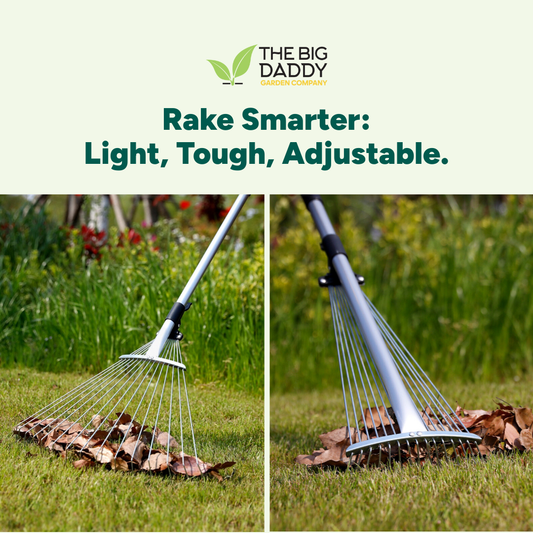
4. Clean Up Spent Plants
Remove summer plants that have stopped producing or are showing signs of serious disease.
Healthy plant material can often be added to your compost pile. Diseased plants should generally be removed and discarded rather than added to compost.
Don't feel obligated to remove every piece of plant material from your garden, however. Some stems and seed heads can provide valuable food and shelter for birds and beneficial insects during fall and winter.
5. Save Seeds
September can be an excellent time to collect seeds from mature flowers and vegetables.
Allow seed heads to dry on the plant when possible. Harvest them on a dry day, then label and store the seeds in a cool, dry location.
Save seeds only from plants that are healthy and true to type. Keep in mind that seeds saved from some hybrid varieties may not produce plants identical to the parent.
6. Plant Trees and Shrubs
Fall can be an excellent time to plant many trees and shrubs. Cooler air temperatures reduce stress on new plants, while warm soil can encourage root development.
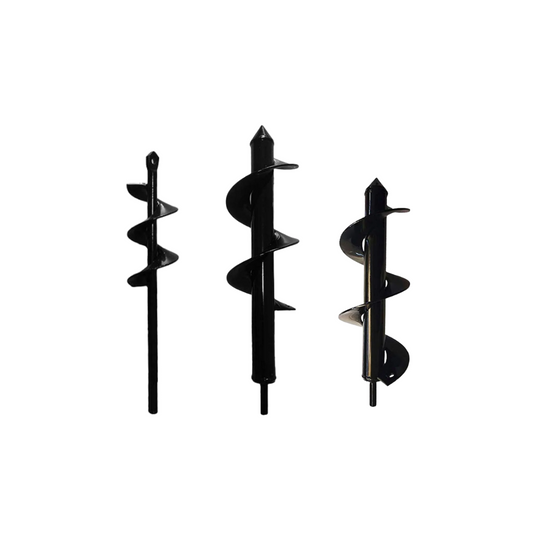
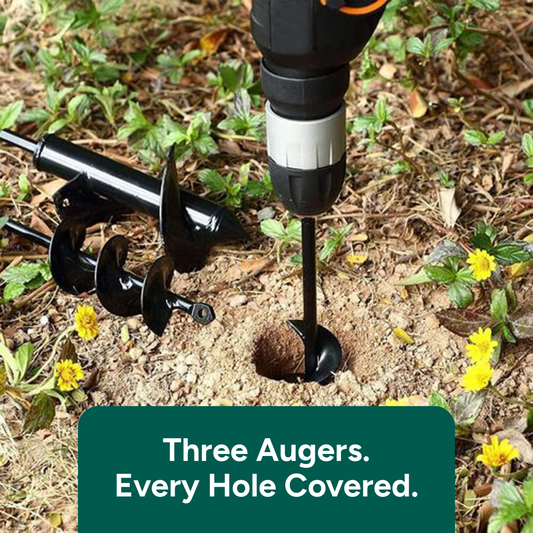
When planting, dig a hole approximately as deep as the root ball and several times wider. Water thoroughly after planting and apply a layer of mulch around the root zone.
Keep mulch away from the trunk or stems.
7. Divide and Transplant Perennials
Many perennial plants can be divided or moved in early fall.
Dividing crowded perennials gives them additional room to grow and provides you with new plants for other areas of the garden.
Water newly divided plants thoroughly and give them time to establish roots before winter arrives.
8. Plant Spring-Flowering Bulbs
September is also the time to start thinking about spring.
Depending on your climate, fall is the ideal season to plant bulbs such as:
- Daffodils
- Tulips
- Crocuses
- Hyacinths
- Alliums
Prepare the soil before planting and follow the recommended planting depth for each variety. Grouping bulbs in clusters can create a much stronger visual impact when they bloom in spring.
9. Refresh Garden Beds With Compost
After a long summer growing season, your soil may benefit from an infusion of organic matter.
Add finished compost to empty beds before planting fall crops or preparing areas for next year's garden.
Compost helps improve soil structure, moisture retention, and nutrient availability while supporting beneficial soil organisms.
10. Watch for Pests and Disease
Don't stop monitoring your garden simply because summer is ending. September can still bring plenty of insect and disease problems.
Inspect the undersides of leaves and check stems and new growth regularly. Early detection makes problems much easier to manage.
Encourage beneficial insects and use the least disruptive control methods necessary.
11. Prepare for the First Frost
Find out your area's approximate first frost date and begin preparing before it arrives.
Keep frost cloth, row covers, or other protective materials readily available. If an unexpected cold night is forecast, you'll be ready to protect tender plants.
You should also begin harvesting tender crops before a hard freeze damages them.
12. Clean and Organize Your Garden Tools
Finally, September is a good time to inspect your gardening equipment.
Clean soil from shovels, pruners, hoes, and other tools. Sharpen cutting tools and lightly oil appropriate metal surfaces to help prevent rust.
Check hoses, sprinklers, stakes, trellises, and containers for damage. Taking care of your equipment now makes next spring much easier.
Keep Growing
September may signal the beginning of fall, but it is far from the end of gardening. With harvesting, planting, soil preparation, cleanup, and winter preparation all on the agenda, this month is an important part of the gardening calendar.
Take advantage of the cooler weather and use September to set your garden up for success. The work you do now won't just improve your fall harvest—it can create healthier soil, stronger plants, and a more beautiful garden when spring arrives.