
Southern Gardening in the Winter
Southern Gardening in the Winter: A Season of Opportunity
Winter gardening in the southern United States is often overlooked, yet it can be one of the most productive and enjoyable times of the year. While gardeners in colder regions pack away tools and wait for spring, Southern gardeners—particularly those in USDA Zones 7 through 11—can continue growing, harvesting, and preparing their gardens throughout the winter months. With milder temperatures, fewer pests, and a slower pace, winter offers unique advantages that make it an ideal season for thoughtful gardening. So, my southern friends, or if you’re considering migrating south, grab your cup of coffee and grab you’re trowel and let’s dig in, because this one’s for you!
Understanding Southern Winter Conditions
Southern winters vary widely depending on location, but they are generally shorter and milder than in northern climates. Zone 7 may experience frost and occasional freezes, while Zones 8 and 9 enjoy cool but manageable temperatures. Zones 10 and 11 often remain frost-free, allowing for nearly year-round gardening. Despite the milder climate, Southern winters can still bring sudden cold snaps, heavy rain, or fluctuating temperatures, making awareness and preparation essential.
Knowing your local frost dates and average winter lows helps guide planting decisions. Winter gardening in the South isn’t about pushing limits—it’s about working with seasonal rhythms and making smart plant choices.
What Thrives in Southern Winter Gardens
Winter is prime season for cool-weather crops. Leafy greens such as kale, collards, spinach, mustard greens, arugula, and lettuce thrive in cooler temperatures and often become sweeter after light frost. Root vegetables like carrots, beets, radishes, turnips, and onions grow steadily underground, making them reliable winter staples.
Brassicas—including broccoli, cabbage, cauliflower, and Brussels sprouts—perform exceptionally well in Southern winters, especially when planted in late fall. Herbs like parsley, cilantro, thyme, sage, and rosemary also do well, particularly in Zones 8–11, providing fresh flavors throughout the season.
In warmer areas, gardeners may also grow peas, garlic, leeks, and fava beans, which establish during winter and mature in early spring.
Protecting Plants from Cold Snaps
Although Southern winters are generally mild, occasional freezes can threaten crops. Simple protective strategies go a long way. Frost cloths, old sheets, or blankets placed over plants overnight help trap heat and prevent frost damage. Mulching heavily around plants insulates roots and stabilizes soil temperatures.
Container plants benefit from being moved closer to buildings or under covered areas for added warmth. Raised beds also offer an advantage, as they drain better and warm faster than in-ground gardens.
Preparedness is key—monitoring weather forecasts allows gardeners to act quickly when temperatures drop unexpectedly.
Soil Care and Improvement During Winter
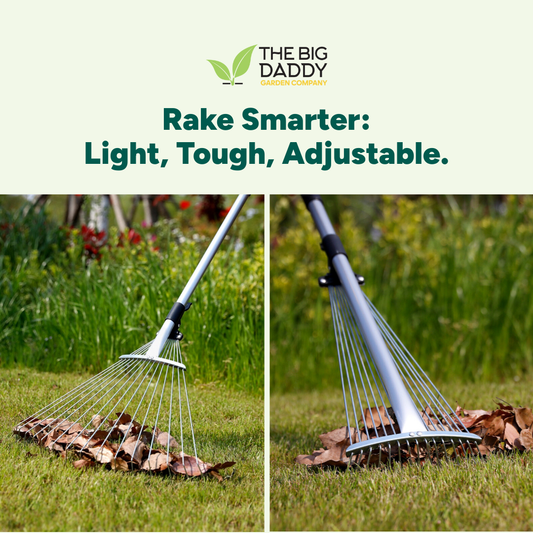
Winter is an excellent time to focus on soil health. With slower plant growth, gardeners can improve soil structure and fertility without pressure. Adding compost, leaf mulch, or aged manure replenishes nutrients and supports beneficial microorganisms that remain active even in cooler temperatures.
Planting cover crops such as clover, rye, or vetch helps prevent erosion, suppress weeds, and improve soil quality. When turned into the soil in spring, cover crops add organic matter that boosts long-term productivity.
Testing soil during winter also allows gardeners to address nutrient deficiencies before spring planting begins.
Watering Wisely in Cooler Months
Water needs decrease in winter, but consistent moisture remains important. Overwatering is a common mistake during cooler months, as evaporation slows and soils remain damp longer. Gardeners should water only when the top few inches of soil are dry and avoid watering late in the day to prevent freezing on cold nights.
Drip irrigation systems are ideal for winter gardening, delivering water directly to roots while minimizing waste and reducing disease risk.
Winter Gardening Beyond Vegetables
Southern winter gardens aren’t limited to food crops. Many ornamental plants flourish during cooler months. Pansies, violas, snapdragons, camellias, and hellebores bring color and interest to winter landscapes. Evergreen shrubs and trees maintain structure and greenery when other plants go dormant.
Fruit trees also benefit from winter care. Pruning during dormancy improves shape, airflow, and fruit production. Applying dormant oil sprays helps control pests before spring growth begins.
Planning for the Seasons Ahead
Winter provides valuable downtime for reflection and planning. Gardeners can review successes and challenges from the past year, plan crop rotations, order seeds, repair tools, and design new garden layouts. This preparation makes the transition into spring smoother and more rewarding.
Southern gardeners often find that winter is the best time to plan strategically, experiment with new ideas, and build a stronger foundation for the growing season ahead.
The Joy of Winter Gardening in the South
Perhaps the greatest gift of Southern winter gardening is the opportunity to stay connected to the garden year-round. The slower pace, cooler temperatures, and steady growth offer a calming contrast to the intensity of summer gardening. Harvesting fresh greens in January or tending healthy soil during quiet winter mornings creates a deep sense of satisfaction.
Southern gardening in the winter proves that gardening is not confined to a single season—it is a continuous journey. With the right approach, winter becomes not a pause, but a productive, restorative chapter in the life of the garden!