
How to Correct and Build Healthy Soil During the Off-Season
How to Correct and Build Healthy Soil During the Off-Season
When the gardening season comes to an end, it can be tempting to put away your tools and forget about the garden until spring. But the off-season is actually one of the best times to improve your soil. Healthy soil is the foundation of a productive garden, and the work you do during fall and winter can make a noticeable difference when planting season arrives.
Building healthy soil doesn't have to be complicated or expensive. With a few simple practices, you can protect your soil, add nutrients, encourage beneficial organisms, and create better growing conditions for next year's garden. So, get a nice hot cup of coffee and don’t forget your trowel, and let’s dig in!
Start With a Soil Test
Before adding anything to your garden, consider having your soil tested. A soil test can provide useful information about pH and nutrient levels, helping you understand what your garden actually needs.
It's easy to assume that adding more fertilizer is always beneficial, but too much of certain nutrients can cause problems. A soil test allows you to make informed decisions instead of guessing.
Many local extension offices and garden centers offer soil-testing services, making it a simple first step toward healthier soil.
Add Compost
One of the best things you can do for your garden soil during the off-season is add finished compost. Compost adds organic matter while improving soil structure, drainage, and moisture retention.
Spread a layer of compost over your garden beds in the fall. You don't necessarily need to dig it deeply into the soil. Rain, snow, earthworms, and other natural processes will gradually incorporate organic matter into the soil.
You can purchase compost or make your own from kitchen scraps, leaves, grass clippings, and other suitable organic materials.
Don't Leave Soil Bare
Bare soil is vulnerable to erosion, nutrient loss, and weeds. Instead of leaving your garden beds exposed throughout the winter, consider covering them with mulch or planting a cover crop.
A layer of shredded leaves, straw, or other organic mulch helps protect the soil from heavy rain, wind, and temperature changes. As organic mulch breaks down, it also adds valuable organic matter.
Cover crops provide another excellent option. Depending on your climate, plants such as winter rye, clover, oats, or certain legumes can protect the soil while adding organic material.
Put Those Fall Leaves to Work
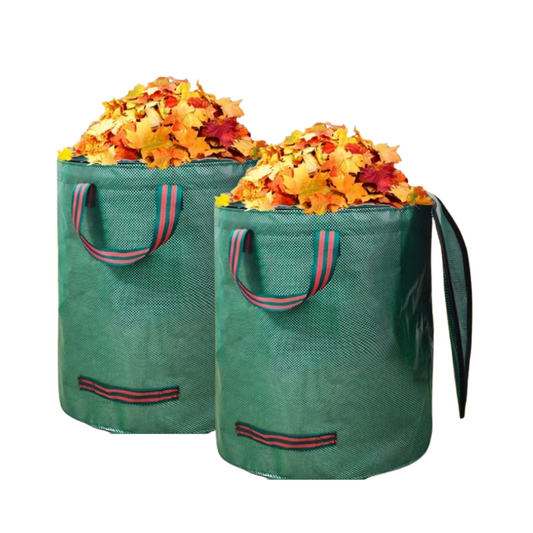
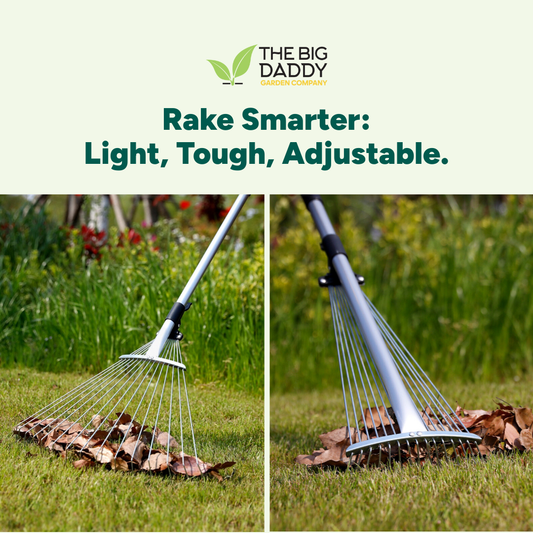
Don't be too quick to rake every leaf away from your property. Fallen leaves can be one of the easiest and least expensive soil amendments available.
Shredded leaves can be spread over garden beds as mulch. They gradually break down, returning organic matter and nutrients to the soil.
You can also add leaves to your compost pile. Mixing leaves with grass clippings and other green materials creates a balanced composting environment.
If using leaves directly on your garden, shredding them first helps them break down more quickly and prevents thick layers from becoming matted.
Consider Cover Crops
Cover crops aren't just for large farms. Home gardeners can also use them to protect and improve their soil.
Cover crops help prevent erosion, suppress weeds, and add organic matter when incorporated into the soil. Legumes such as clover and certain types of peas can also contribute nitrogen to the soil.
Choose cover crops that are appropriate for your growing zone and follow recommended planting and termination dates. If you're new to cover cropping, start with a small section of your garden.
Avoid Working Wet Soil
Fall and early spring can bring plenty of rain and snowmelt. Resist the urge to dig or till the garden when the soil is saturated.
Working wet soil can destroy soil structure and create compacted areas that are difficult for roots to penetrate. Instead, allow the soil to drain and dry before doing significant digging or preparation.
Healthy soil has spaces that allow air and water to move through it. Protecting that structure is just as important as adding nutrients.
Give the Soil a Rest
Not every garden bed needs to be disturbed during the off-season. Leaving the soil relatively undisturbed allows earthworms, microorganisms, and other beneficial organisms to continue their work.
These tiny organisms help break down organic matter and cycle nutrients, creating a healthier environment for plant roots.
Rather than constantly turning the soil, focus on adding organic matter to the surface and allowing nature to do much of the work.
Prepare for Spring
As winter comes to an end, your garden soil should be protected, enriched, and ready for another growing season. A little preparation during the off-season can reduce the amount of work required in spring.
Healthy soil doesn't happen overnight. It develops through consistent care, organic matter, protection, and patience.
So before you put your gardening tools away for the season, give your soil some attention. Add compost, use those fallen leaves, protect bare beds, consider a cover crop, and avoid unnecessary disturbance. When spring arrives, your garden will be ready to reward you with healthier plants, stronger growth, and a more productive harvest.
The garden may be resting during the off-season, but beneath the surface, there's still plenty happening. Give your soil the care it deserves now, and you'll reap the benefits when the next gardening season begins.